Improve the product without a risky all-at-once rewrite.
Add a modern interface or capability while retaining established business logic. Coordinate old and new data access, then move modules forward through reviewed releases.


Manufacturing software development
Connect production, materials, equipment and quality records. Modernise the systems that slow work down, preserve the business rules your teams rely on, and release changes in steps operations can validate.
A useful system keeps the handoffs and exceptions visible as work moves through the operation.
The operational challenge
A work order may depend on material availability, production status, equipment signals and inspection results. The risk sits in the handoffs: a late update, changed record or exception can leave teams working from different versions of the same job.
Manufacturing software services
We scope each build around the existing process, system boundaries and production evidence—not a standard feature list.
Add a modern interface or capability while retaining established business logic. Coordinate old and new data access, then move modules forward through reviewed releases.
Connect testing and weighing equipment with cloud or business systems, surface online and offline states, and make device data available to the workflows that depend on it.
Integrate existing databases and applications so teams can track raw materials, products, inventory, production status and cross-department transactions.
Build inspection and reporting workflows, including computer-vision systems that detect, locate and classify surface defects for engineering review.
How we approach manufacturing software development
We start by understanding how your operation works, where systems fall short and what needs to improve before deciding what to build, integrate or modernise.
Use operator and planner walkthroughs, state and data-flow diagrams, and exception mapping to identify handoffs and the source of truth for each record.
Inspect SQL data, APIs, logs and device messages. Define transaction ownership, test late or missing updates, and profile slow queries or long-running processes.
Validate against representative records, reconcile old and new results where needed, then release by workflow or module with agreed monitoring and rollback criteria.
Measures are agreed from your baseline: for example, order-processing time, delay between an equipment event and its recorded status, manual re-entry, inventory mismatches, integration failures or inspection review time. We set no generic improvement percentage in advance.
Selected manufacturing work
These projects cover gradual ERP change, cross-team material flow, production tracking and inspection support. Each link contains the full case context.
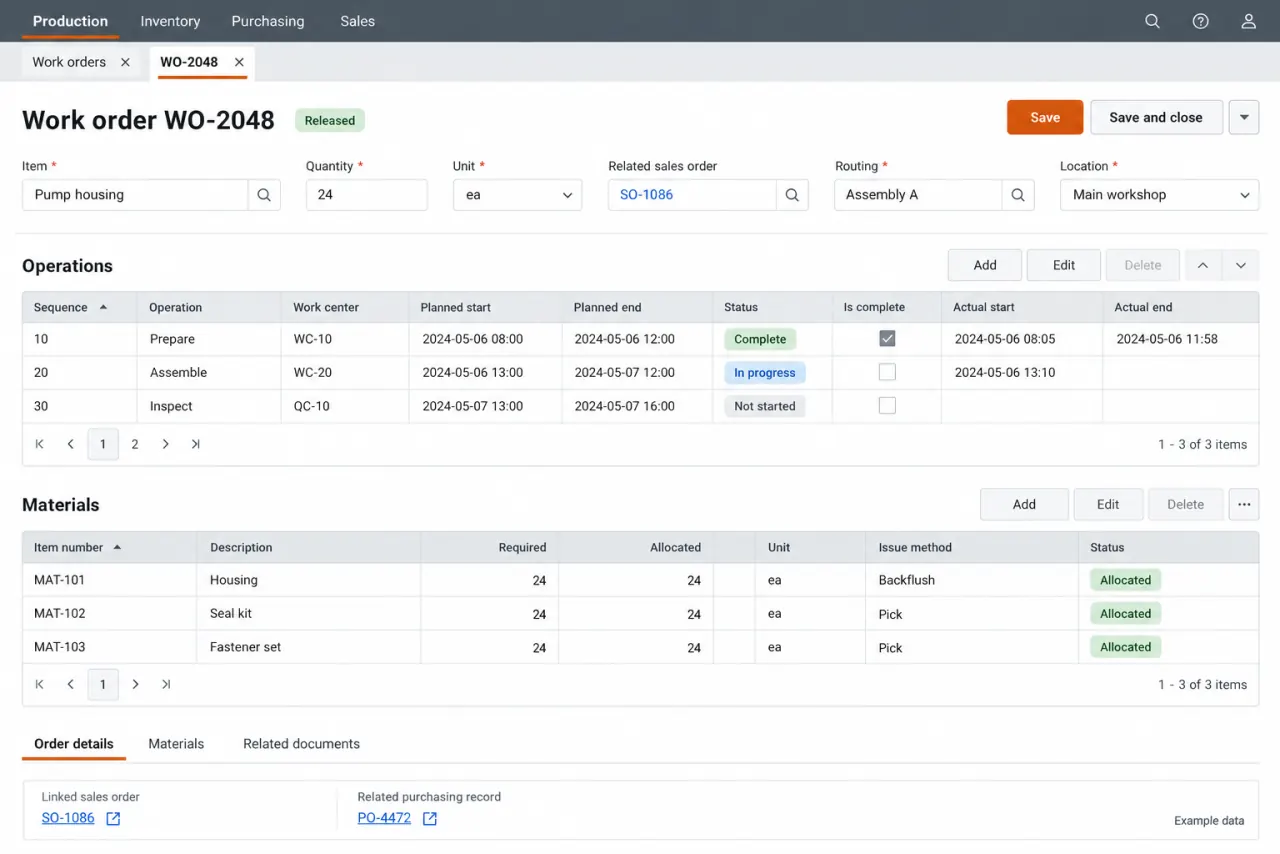
Reconstructed interface with fictional data, not a client screenshot.
Manufacturing ERP product
A new web dashboard connected to existing business screens while established logic remained in place. The work coordinated old and new data access, addressed transaction boundaries and resolved an inherited memory issue during the MVP.
Read the manufacturing ERP case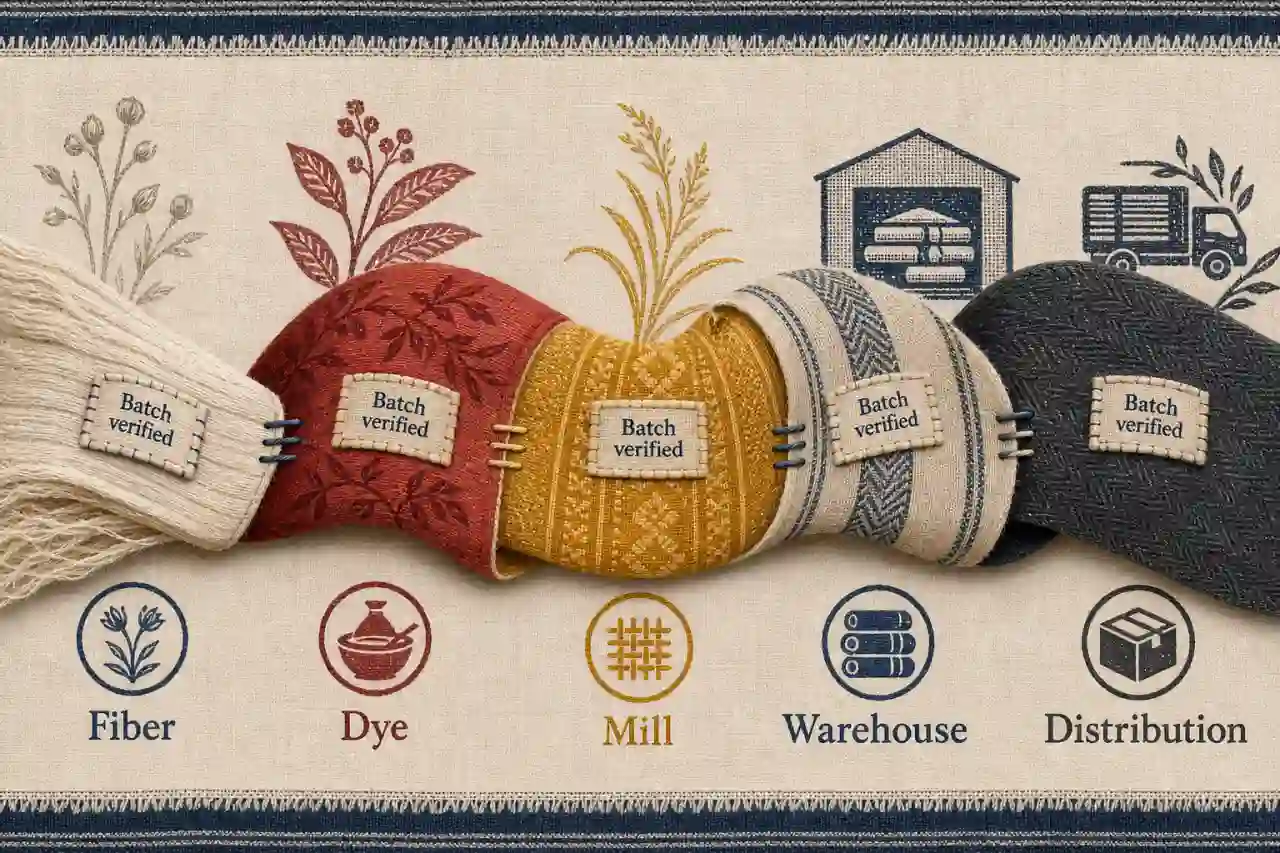
Illustrative project visual.
Textile manufacturing and supply chain
Integrated independent departmental databases without changing their existing structures, enabling real-time tracking of raw materials, products, inventory and interdepartmental transactions across production, warehousing, sales and distribution.
Read the textile supply-chain case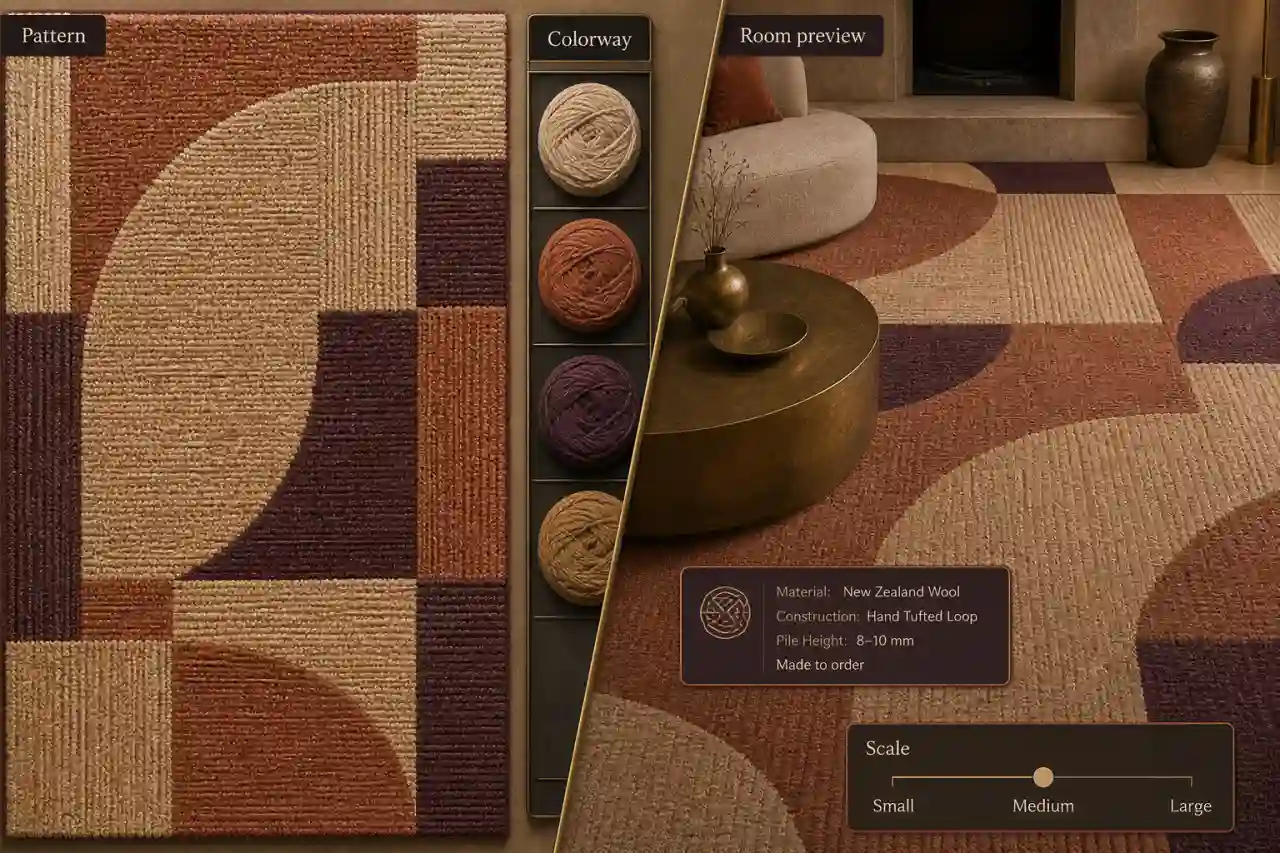
Illustrative project visual.
Custom carpet manufacturing
Combined online sales communication and richer product presentations with detailed production tracking across manufacturing centres in China and Thailand. The published case reports real-time visibility into production status.
Read the production-tracking case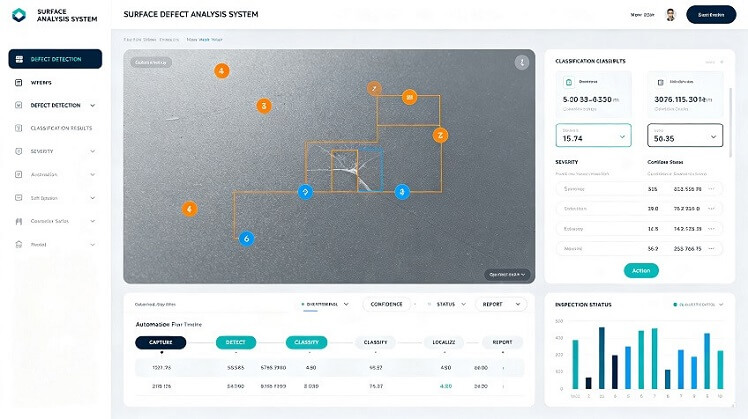
Concept interface, not a production screenshot.
Industrial manufacturing and quality
Computer vision and neural-network models detect, locate and classify solid-surface defects, then organise inspection results for engineering review and production-quality decisions.
Read the AI inspection caseStart with one workflow
Bring one order, one exception and the systems involved. We can use that trace to identify a practical first step and the evidence needed to measure it.
Talk through your manufacturing workflow