← Back to E-commerce & Retail Case Studies

Case study · E-commerce & Retail

Moving Retail Management into a Hybrid Cloud

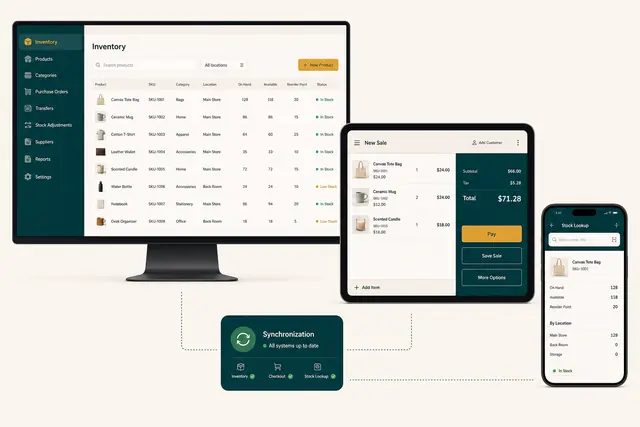
A retail-technology provider needed to extend a mature desktop product into a hybrid-cloud application that could carry end-to-end retail management across phones, tablets, and PCs.

Retail TechnologyHybrid Cloud.NETMulti-device
Moving Retail Management into a Hybrid Cloud
AI-generated or illustrative concept based on the case requirements. Actual client system not shown.
Industry
E-commerce & Retail
Delivery
Dedicated team
Focus
Business outcomes

The situation

A proven desktop retail product needed a cloud path without losing the operational knowledge already built into it.

The existing product supported retail accounting and merchandising on PC-based hardware. As customer needs expanded, the provider wanted a cloud application based on that mature foundation rather than a disconnected replacement.

  • The new product had to preserve end-to-end retail workflows while making key transactions available from smartphones, tablets, and PCs in a hybrid environment.

Recognise this situation?

Move mature retail logic into a new delivery model while keeping feedback fast and practical.

Preserve proven workflows

Accounting, merchandising, and transaction rules already embedded in the desktop product still mattered.


Adapt as the product emerged

New ideas and user-experience issues needed to enter the next iteration without destabilizing completed work.

Design for several devices

The cloud product had to support useful transaction work on smartphones, tablets, and PCs.

The project approach

Iterative .NET delivery extended the mature product into a responsive hybrid-cloud experience.

The team used Scrum practices, frequent communication, and working-feature reviews to evolve the cloud product while steadily improving its fit with the client’s retail domain.

Carry forward the established retail-management model instead of starting from an unrelated product concept.

How the work unfolded

Use close product feedback to connect desktop knowledge, cloud behavior, and device experience.

  1. Short daily coordination kept progress, upcoming work, and blockers visible across the joint team.
  2. Finished features were reviewed in iterations so product ideas could be assessed against working software rather than abstract specifications.
  3. That rhythm also helped the delivery team deepen its understanding of retail accounting, merchandising, and transaction workflows while the cloud product evolved.

Key information

Technology and delivery context

Industry
E-commerce & Retail
Services
Custom Development · Dedicated Teams
Technologies and practices
ASP.NET · C# · SQL Server · Hybrid cloud
Business impact
Operational clarity · Delivery continuity · Usable software

The result

Retail teams could use one end-to-end hybrid product across phones, tablets, and PCs.

  1. Operational continuity: The cloud direction was grounded in retail capabilities that were already proven in the existing product.
  2. More flexible access: Key transactions were available across device types instead of being limited to one desktop context.
  3. A responsive product loop: Feedback and emerging user-experience issues could be incorporated into later iterations and updates.

Need a practical cloud path for a mature desktop product?

Tell us what you are trying to achieve and we will help you find a practical way forward.

Discuss Your Situation