← Back to Sports Technology Case Studies

Case study · Sports Technology

Modernizing a Community Sports Platform for Reliable Growth

A community sports provider needed to replace fragmented systems and manual release work with a cloud foundation that could support players, teams, events, and continued product growth.

Sports TechnologyCloud ModernizationAWSDevOps
Modernizing a Community Sports Platform for Reliable Growth
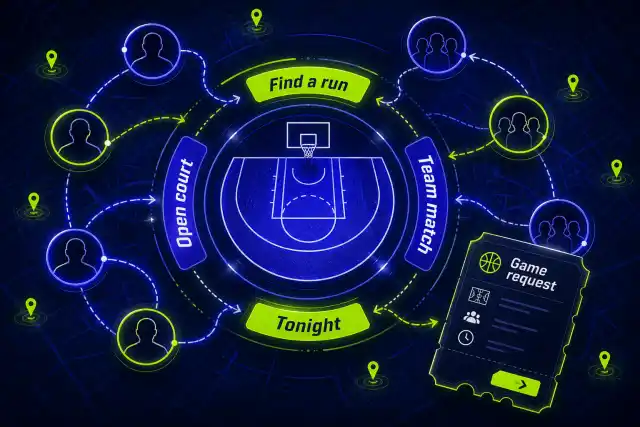
AI-generated or illustrative concept based on the case requirements. Actual client system not shown.
Industry
Sports Technology
Delivery
Dedicated team
Focus
Business outcomes

The situation

Product growth exposed the cost and reliability limits of a fragmented legacy environment.

Multiple teams had contributed separate systems, applications, and redundant processes to an online sports platform. Inconsistent maintenance and coding practices made the environment harder to change just as demand for data and platform access was increasing.

  • The client needed more than a hosting move. It wanted a scalable operating model that could lower infrastructure overhead, streamline development and deployment, and add practical protection against downtime and data loss.

Recognise this situation?

Unify the product, the delivery pipeline, and the operating safeguards.

Fragmented product foundations

Separate systems and duplicated processes made enhancements harder to coordinate and maintain.

Growing data demands

Player, team, match, venue, and profile activity required a database foundation that could scale without rigid capacity planning.

Manual operations

Slow deployment, limited monitoring, and incomplete recovery practices increased operational effort and risk.

The project approach

A cloud migration paired scalable infrastructure with a repeatable DevOps operating model.

The team analyzed the existing environment, cleaned up the codebase, consolidated infrastructure on AWS, and designed the data and operating layers for flexible growth.

Reduce redundant structures, establish clearer code practices, and create a more coherent platform foundation.

How the work unfolded

Treat infrastructure, application code, and operations as one modernization program.

  1. The engagement began with a review of the current infrastructure and the dependencies created by earlier development work.
  2. Migration decisions were tied to business priorities: lower operating cost, more flexible capacity, faster releases, and stronger resilience.
  3. DevOps practices connected development to production monitoring, backup, and disaster recovery instead of leaving those concerns to a separate final phase.

Key information

Technology and delivery context

Industry
Sports Technology
Services
Custom Development · Dedicated Teams
Technologies and practices
AWS · DevOps · Cloud modernization · Disaster recovery
Business impact
Operational clarity · Delivery continuity · Usable software

The result

The platform gained a scalable cloud foundation and a much shorter deployment cycle.

  1. A cleaner product foundation: Consolidation and code cleanup reduced the complexity inherited from multiple earlier systems and teams.
  2. Capacity aligned to demand: Cloud compute and a scalable relational database gave the platform room to grow without the same fixed infrastructure burden.
  3. Operations built into delivery: Monitoring, encrypted storage, automatic backup, and disaster recovery became part of the platform model.

Need to simplify a legacy platform while improving release speed and resilience?

Tell us what you are trying to achieve and we will help you find a practical way forward.

Discuss Your Situation