← Back to Healthcare Case Studies

Case study · Healthcare

Building an Auditable Clinical Trial System with SharePoint and InfoPath

A nationwide U.S. medical-care provider built a SharePoint electronic clinical trial system with audit trails, authenticated InfoPath access and controlled collaboration aligned with FDA 21 CFR Part 11 requirements.

SharePointInfoPathAgile21 CFR Part 11
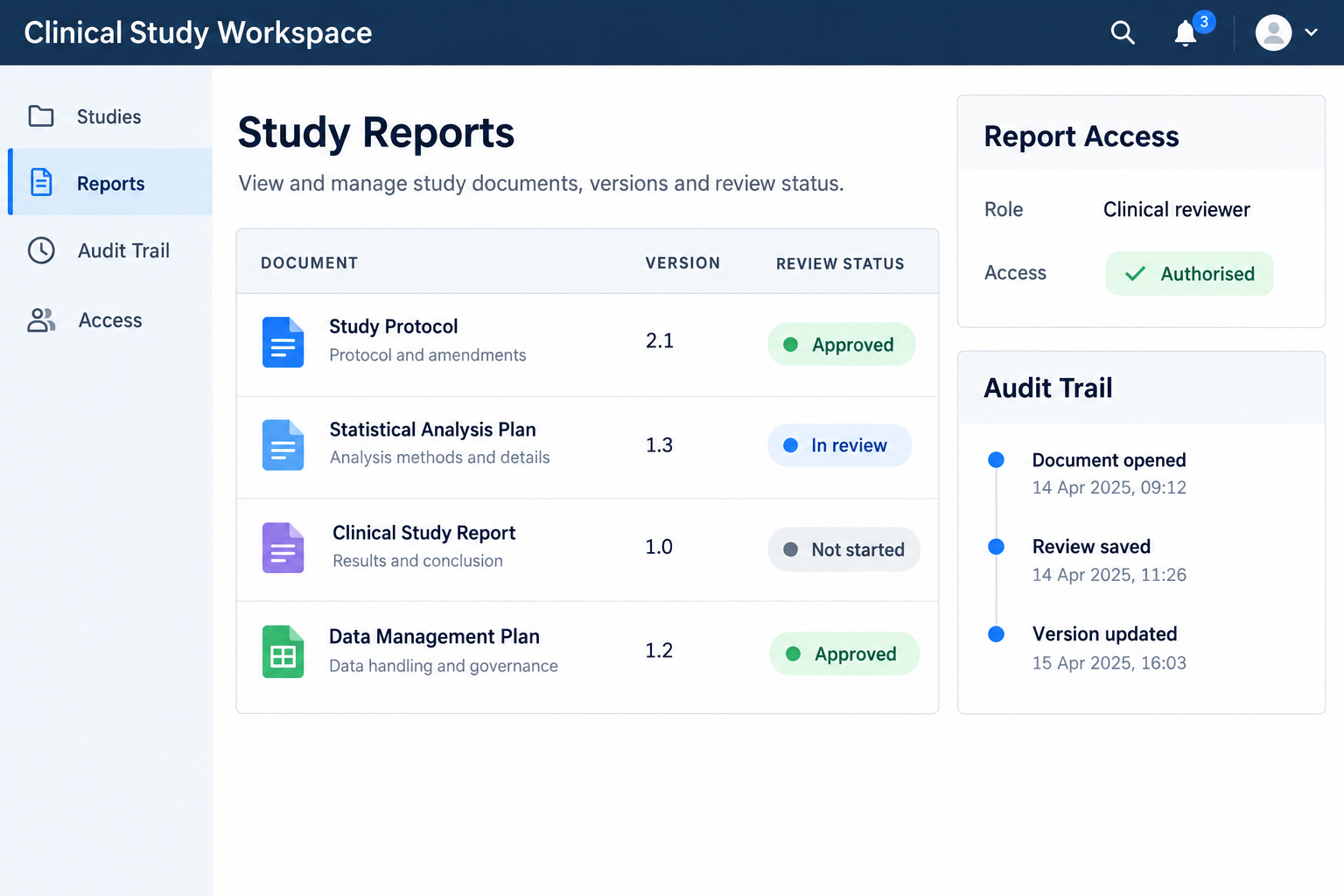
Illustrative clinical trial system interface
AI-generated concept interface with illustrative data. Actual client system not shown.
compliance requirement
21 CFR Part 11
prioritisation and delivery
Weekly
planning and feedback
Continuous

The situation

Clinical collaboration needed timely information and controlled access

A U.S. medical-care provider wanted healthcare practitioners to receive timely information and make better patient decisions. The system had to improve communication and collaboration while complying with the FDA’s 21 CFR Part 11 requirements.

  • Clinical users needed timely information and dependable collaboration across changing healthcare workflows.
  • The solution required auditability, authentication and controlled access consistent with FDA electronic-record requirements.
  • Business priorities changed week by week, making a fixed long-range delivery plan impractical.

Recognise this situation?

Key Questions

Can a clinical system support electronic-record audit requirements?

The solution included audit trails, authentication and controlled access aligned with the project’s FDA 21 CFR Part 11 requirements.


Can SharePoint and InfoPath support controlled clinical collaboration?

The delivered system combined controlled collaboration sites with authenticated InfoPath report access and actions.

How can we deliver when clinical priorities change every week?

Agile discovery, focused modules and weekly prioritisation kept working software and continuous client feedback central to delivery.

The project approach

Build auditability into short, adaptable delivery cycles

The provider wanted practitioners to receive timely information and make better patient decisions. A fixed long-range plan did not fit changing weekly priorities. The team identified the core clinical process, used a simple modular architecture, and adapted releases through feedback and refactoring while preserving the required audit and authentication capabilities.

Delivered an electronic clinical trial system on SharePoint with audit trails, authenticated InfoPath report access and actions, and controlled clinical collaboration sites.

How the workflow operated

Weekly priorities and working software

  1. Used Agile discovery to identify the core clinical process and the highest-value requirements quickly.
  2. Created a simple architecture, divided the product into focused modules and delivered each as a short business-to-solution cycle.
  3. Prioritised, planned and implemented new value weekly, with continuous client feedback and refactoring.
  4. Adapted each release as requirements evolved while keeping progress visible through frequent working software.

Key information

Technology and delivery context

Industry
Healthcare
Services
Custom Development · System Integration
Technologies and practices
SharePoint · InfoPath · Agile · 21 CFR Part 11
Business impact
Compliance · Clinical Collaboration · Adaptability

The result

What changed for the client

  1. Delivered a working SharePoint electronic clinical trial system with audit and authentication capabilities.
  2. Enabled early and continuous visibility into development progress through valuable software releases.
  3. Responded faster to changing clinical and customer requirements.

Need auditable clinical workflows with room for changing priorities?

Tell us about the clinical process, the electronic-record requirements, who needs access and how often delivery priorities change.

Discuss Your Situation