← Back to Healthcare Case Studies

Case study · Healthcare, Manufacturing

Rescuing a Legacy Med-Tech System Upgrade for FDA Labelling Requirements

A Fortune 500 med-tech manufacturer consolidated three .NET 2005 systems into one platform, meeting FDA UDI labelling requirements for distribution across 120+ countries without disrupting operations.

.NETEDISQL ServerSSIS
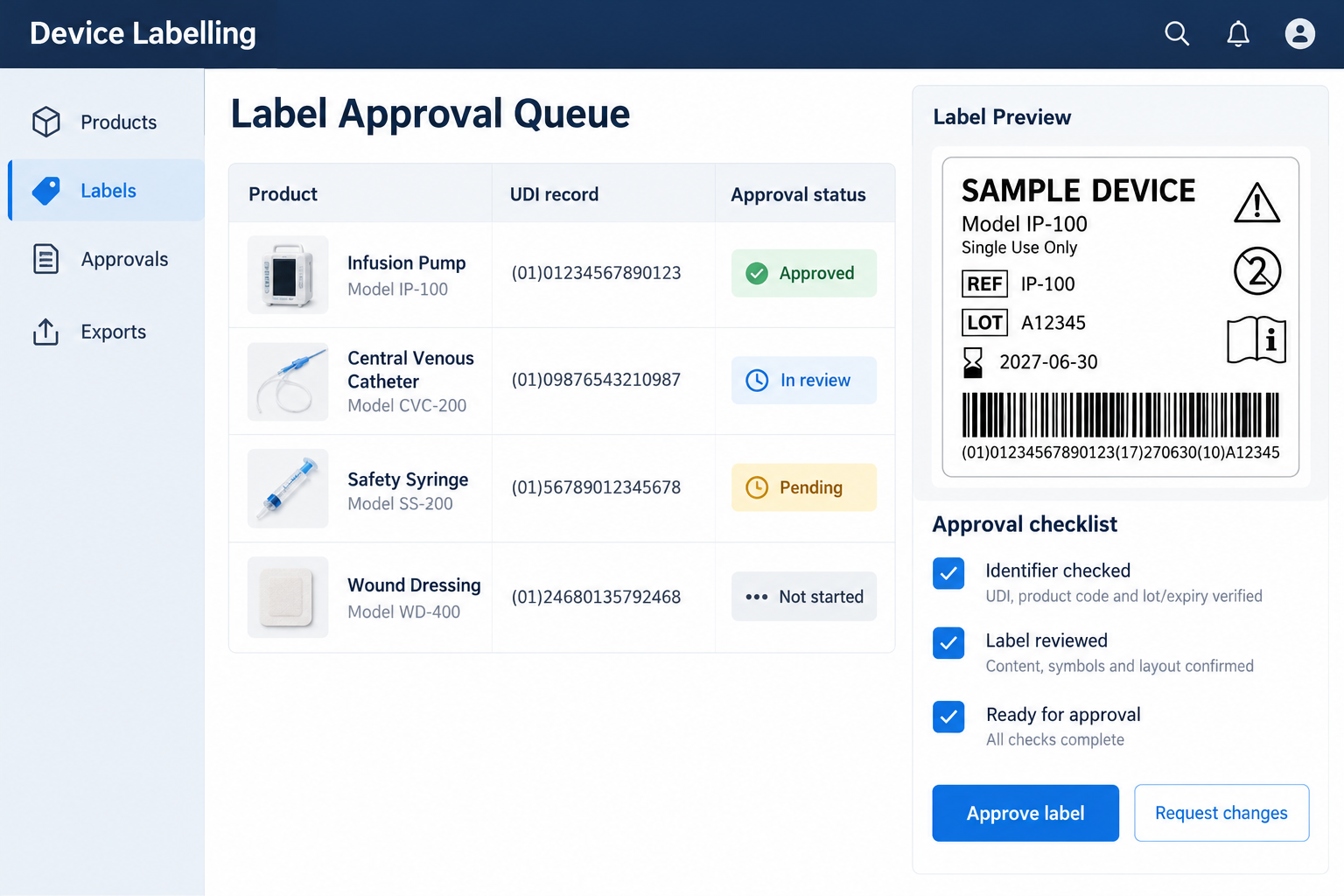
Illustrative medtech labelling system interface
AI-generated concept interface with illustrative data. Actual client system not shown.
unified platform
3 → 1
countries served
120+
years to delivery
2

The situation

A regulatory deadline the existing systems could not meet

A Fortune 500 med-tech manufacturer exporting to 120+ countries needed to unify three outdated .NET 2005 legacy systems and meet new FDA labeling regulations — on a tight, non-negotiable deadline.

  • Three separate .NET 2005 legacy systems could no longer meet new FDA regulatory and labeling requirements for medical devices sold globally.
  • The client had already started the migration independently but fell behind schedule and needed an experienced partner to get it back on track.
  • The entire business infrastructure relied on these legacy systems — any disruption to daily operations during the transition was not an option.

Recognise this situation?

Key Questions

Our regulatory system upgrade is behind schedule. Can another team help?

The client had started migration independently but fallen behind. Shinetech reviewed the code and architecture, then worked alongside the in-house team.


Can we consolidate legacy systems without disrupting daily operations?

Three .NET 2005 systems were unified into a single platform while preserving business continuity.

Can the upgrade support new device-labelling requirements?

The delivered platform met the new FDA requirements, including UDI labelling standards, supporting continued distribution across 120+ countries.

The project approach

Consolidate and stabilise first, then add operational features

The programme used two phases: consolidate and stabilise the three legacy systems, then add web access, automated analysis reporting, inventory management and approval management. The existing business infrastructure depended on the systems, so continuity and the regulatory deadline shaped the work.

A two-phase migration: first consolidate and stabilize the three legacy systems into one unified platform, then add new features to drive efficiency.

How the work unfolded

Code review, joint delivery and an on-site launch

  1. Phase 1 — conducted code reviews, produced a thorough quality and architecture report, then worked alongside the client's in-house team to unify the three legacy systems into one platform.
  2. Phase 2 — added new features including web app access, automated analysis reporting, inventory management, and an approval management module to boost operational efficiency.
  3. Traveled on-site to the client's Asia Pacific HQ in Hong Kong to support the web app launch and build deep knowledge of their business logic and systems.

Key information

Technology and delivery context

Industry
Healthcare, Manufacturing
Services
Custom Development · Dedicated Teams
Technologies and practices
.NET · EDI · SQL Server · SSIS
Business impact
Compliance · Performance

The result

What changed for the client

  1. Three legacy systems successfully unified into a single, modern, FDA-compliant platform — delivered without disrupting daily operations.
  2. The client met all new regulatory requirements including UDI labeling standards, enabling continued global medical device distribution across 120+ countries.
  3. Workflow efficiency improved significantly — employees no longer needed to switch between systems or manually extract reports.
  4. The dedicated team grew from 3 to 8 people as the engagement expanded, with the original core developers retained throughout for continuity.

Is a legacy system putting your regulatory upgrade at risk?

Tell us which systems are affected, what the required deadline is, how far the upgrade has progressed, and which operations must continue during the transition.

Discuss Your Situation