← Back to Healthcare Case Studies

Case study · Healthcare

Building an Adaptable Clinical Collaboration and Audit Workflow

A healthcare provider needed practitioners to find timely information and collaborate more effectively while the system supported traceable actions, controlled report access, and changing regulated workflows.

HealthcareSharePointAudit TrailAgile Delivery
Building an Adaptable Clinical Collaboration and Audit Workflow
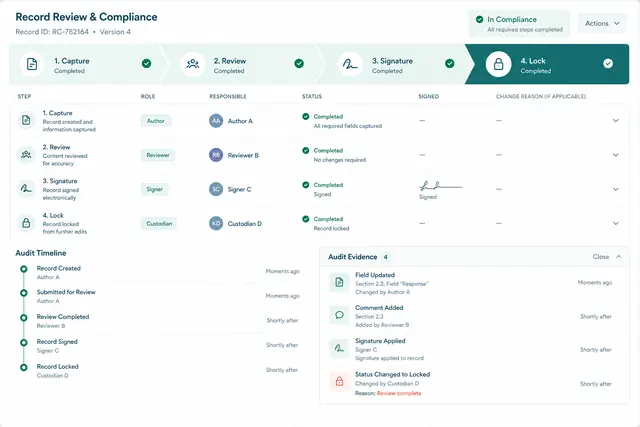
AI-generated or illustrative concept based on the case requirements. Actual client system not shown.
Industry
Healthcare
Delivery
Dedicated team
Focus
Business outcomes

The situation

Clinical teams needed faster access to working information without weakening control over regulated activity.

The provider wanted practitioners to reach timely information and make better-informed decisions inside a collaborative system. The work also had to account for the electronic-record controls described by 21 CFR Part 11.

  • Requirements and business logic changed frequently, so a long fixed plan would have made the solution difficult to adapt. Delivery needed to keep technical design, user workflow, and traceability aligned.

Recognise this situation?

Respond to changing clinical workflows while keeping access and actions traceable.

Controlled information access

Practitioners needed relevant information while reports and actions remained authenticated.

Traceable activity

The system needed an audit trail for important list and report interactions.

Changing business logic

Priorities and workflow details evolved frequently, requiring regular review and correction.

The project approach

Respond to changing clinical workflows while keeping access and actions traceable.

The product needed enough structure for regulated work and enough flexibility for new business rules to be evaluated and delivered continuously.

Practitioners needed relevant information while reports and actions remained authenticated.

How the work unfolded

Turn each changing business need into a small, reviewable piece of working software.

  1. The team first established a common view of the core business process and used focused questions to identify the requirement that mattered most.
  2. Architecture and design were kept simple enough to divide the work into modules that could be planned, implemented, reviewed, and corrected independently.
  3. Continuous feedback and refactoring helped the solution respond to change without treating every new requirement as a full restart.

Key information

Technology and delivery context

Industry
Healthcare
Services
Custom Development · Dedicated Teams
Technologies and practices
Java · Oracle · Audit trail · Agile
Business impact
Operational clarity · Delivery continuity · Usable software

The result

The provider received a traceable SharePoint workflow that could evolve with changing clinical needs.

  1. Timely working information: Practitioners gained a shared environment designed around access to the information needed for daily decisions.
  2. Regulated controls in scope: Authentication and audit-trail functions addressed documented electronic-record requirements without claiming certification.
  3. Faster response to change: Small delivery cycles made it easier to assess and incorporate evolving business needs.

Need a regulated workflow that can keep pace with changing clinical operations?

Tell us what you are trying to achieve and we will help you find a practical way forward.

Discuss Your Situation